TL;DR:
- Customized bolt and pin solutions help renewable energy systems handle site-specific loads, vibration, and weather exposure.
- Precision fastening improves safety because each connection matches the equipment design and installation environment.
- Custom materials and coatings reduce corrosion risk in wind, solar, hydro, and energy storage projects.
- Working with an experienced manufacturer supports better quality control, faster replacement, and long-term maintenance planning.
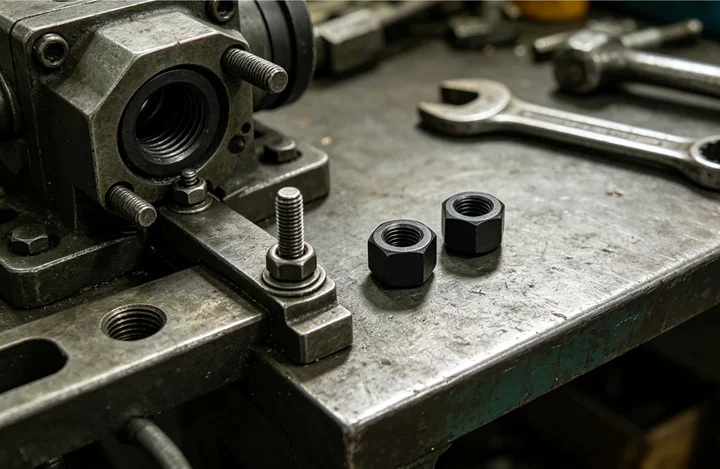
Customized bolt and pin
Renewable energy projects are not built in controlled indoor spaces. A wind farm may face constant vibration at 80 meters above ground level, while a solar plant may experience daily thermal expansion across long tracker rows. Offshore or coastal sites may also expose metal components to salt spray, humidity, and abrasive particles. In these conditions, a correctly engineered Customized bolt and pin is more than a small component; it is a load-bearing part of the system.
Custom fasteners are especially important when project engineers must balance strength, fatigue resistance, and maintainability. For example, a pin used in a solar tracking hinge must rotate or hold alignment without excessive wear. A bolt used in a wind turbine base must maintain clamping force despite vibration and temperature change. Because each renewable energy application creates a different stress path, therefore customized dimensions, grades, threads, and surface treatments help prevent premature loosening or fracture.
Key customization factors usually include the following:
- The material must match the required tensile strength, shear strength, and corrosion resistance of the project.
- The coating must protect the fastener against rain, ultraviolet exposure, salt mist, or chemical contact.
- The tolerance must support accurate assembly, stable alignment, and predictable load transfer.
- The design must allow efficient inspection, replacement, and maintenance during the full service life.
Choosing a dependable supplier also matters. A manufacturer with production experience, inspection capability, and engineering support can help reduce procurement risk. To evaluate manufacturing background, visit the About Us page, or contact the team for project-specific bolt and pin requirements.
Part 2: Market Overview, Statistics, and Industry Data
The renewable energy infrastructure market is expanding quickly, and this growth is increasing demand for precision fastening components such as the Customized bolt and pin. According to Grand View Research, the global renewable energy market was valued at approximately USD 1.21 trillion in 2023 and is expected to grow at a 17.2% CAGR from 2024 to 2030. This rapid buildout includes wind farms, solar tracking systems, hydropower facilities, battery storage units, and grid-support structures.
Wind power is one of the strongest demand drivers. Statista reports that global cumulative wind power capacity reached about 1,021 GW in 2023. Each turbine requires thousands of bolts, pins, shafts, and locking elements for the tower, nacelle, blade root, yaw system, and foundation. Because these components face vibration, fatigue loading, corrosion, and extreme weather, therefore standard fasteners often cannot provide the required lifecycle performance.
| Application Area | Common Fastening Challenge | Why Customization Matters |
|---|---|---|
| Wind turbine towers. | Fasteners must resist high cyclic loads and vibration. | Customized dimensions and strength grades help maintain structural integrity. |
| Solar tracker systems. | Pins and bolts must support repeated movement and outdoor exposure. | Surface treatments and tolerance control improve durability. |
| Hydropower equipment. | Components must withstand moisture, pressure, and corrosion. | Material selection helps reduce maintenance downtime. |
Government policy also supports long-term demand. The U.S. Department of Energy continues to promote renewable deployment, while the International Energy Agency notes that renewable capacity additions are accelerating globally. Because renewable assets are expected to operate for 20 to 30 years, therefore engineers increasingly specify customized fastening solutions at the design stage rather than treating bolts and pins as generic commodities.
- Project developers require fastening components that match site-specific wind, temperature, and corrosion conditions.
- Equipment manufacturers need consistent tolerances to support automated assembly and reliable field installation.
- Maintenance teams benefit from customized parts that reduce replacement frequency and unplanned downtime.
In this market context, customized bolts and pins are no longer minor accessories. They are essential engineered components that help renewable energy infrastructure achieve safety, reliability, and cost efficiency at scale.
Part 3: Key Requirements, Standards, and Regulations
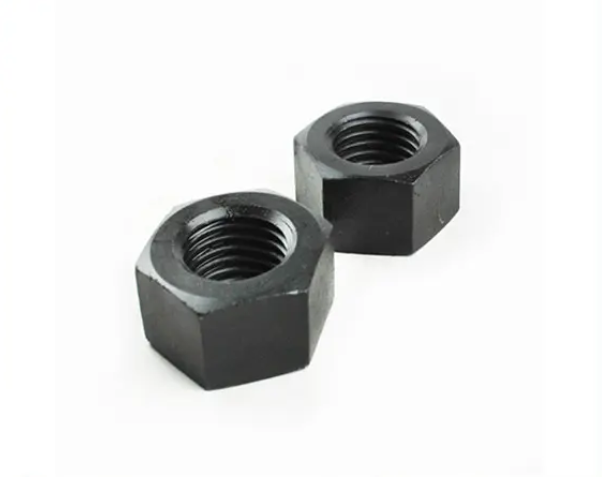
For renewable energy infrastructure, a Customized bolt and pin is not only a mechanical component; it is also a compliance-critical part that must support safety, traceability, and long-term field reliability. Wind turbines, solar trackers, hydro systems, and battery energy storage structures often operate under vibration, corrosion, temperature cycling, and high static loads, so fasteners must be designed around both engineering requirements and applicable standards.
Common certification and conformity frameworks include UL for product safety evaluation, ETL by Intertek for North American market acceptance, CE marking for European conformity, and the CB Scheme for international electrical product acceptance. In HVAC-related renewable projects, such as heat pump systems and energy-efficient building integration, references from ASHRAE may also influence material selection, corrosion resistance, and installation conditions.
Because renewable assets are expected to operate for 20 to 30 years, therefore customized bolts and pins must meet documented strength, coating, and fatigue-performance requirements before installation. This is especially important for offshore wind farms and desert solar farms, where standard fasteners may fail earlier due to salt spray, sand abrasion, or thermal expansion.
| Requirement Area | Standard Fastener Approach | Customized Bolt and Pin Approach |
|---|---|---|
| Material Traceability | Basic mill certificate may be sufficient | Full heat number, batch record, and inspection report |
| Corrosion Protection | General zinc plating | Hot-dip galvanizing, Dacromet, Geomet, or stainless alloy selection |
| Mechanical Performance | Standard tensile grade | Verified tensile, shear, fatigue, and torque performance |
| Certification Support | Limited documentation | UL, ETL, CE, CB Scheme documentation alignment |
Common compliance challenges include inconsistent documentation from suppliers, unclear coating thickness requirements, mismatched international standards, and limited test data for non-standard geometries. Another frequent issue is substitution: a project may approve one fastener grade, but installers use a visually similar component without equivalent testing.
Because certification bodies and project owners require evidence-based conformity, therefore manufacturers must provide drawings, material certificates, dimensional inspection, surface treatment reports, and mechanical test results for every critical customized bolt and pin. By addressing these requirements early, renewable energy developers can reduce approval delays, avoid rework, and improve infrastructure safety across global markets.
Why Customized Bolts and Pins Are Essential for Renewable Energy Infrastructure
Industry specialists increasingly treat the Customized bolt and pin as a core reliability component, not a commodity part. In wind towers, solar trackers, hydro mounts, and battery systems, the real challenge is not just holding parts together; it is surviving vibration, salt spray, thermal cycling, and remote-access maintenance windows. Because these loads differ by site and asset class, therefore a one-size-fits-all fastener can create hidden fatigue risks and higher lifecycle cost. The IEA’s renewables outlook and NREL’s balance-of-system research both show that small mechanical failures can cascade into major downtime, especially where access is difficult and crane mobilization is expensive. DNV guidance and ISO/IEC standards also emphasize traceability, coating performance, and fit-for-purpose design as essential to long-term structural integrity.
| Expert Source | Insight | Implication for Custom Fasteners |
|---|---|---|
| IEA Renewables Reports | O&M disruptions reduce asset availability | Use application-specific fastening to reduce failure points |
| NREL | Balance-of-system components affect project economics | Specify dimensions and coatings for local environmental loads |
| DNV / ISO / IEC | Material traceability and fatigue performance are critical | Adopt certified customized bolts and pins with documented testing |
From an engineering standpoint, customization also improves inspection quality. Because standardized hardware may not align with unique joint geometry or corrosion exposure, therefore inspectors face greater uncertainty when validating safety margins. A tailored fastener can be matched to thread engagement, preload, material grade, and coating system, making condition monitoring more predictable. That is why renewable developers, EPC firms, and asset owners increasingly rely on customized fastening solutions to protect uptime, warranty compliance, and long-term structural performance.
Part 5: Case Studies, Real Examples
Real-world projects show why a customized bolt and pin is not a luxury in renewable energy infrastructure—it is a performance requirement. Wind, solar, and hydro assets face vibration, corrosion, load cycling, and tight tolerances, so standard fasteners often fall short.
Case Study 1: Offshore Wind Turbine Tower Upgrade
Challenge: A coastal wind farm experienced repeated loosening in tower flange connections after 14 months of salt spray exposure and high-velocity vibration.
Solution: The operator replaced generic hardware with a customized bolt and pin set made from coated high-strength alloy steel, designed with tighter thread control and improved locking geometry.
Results: Unscheduled maintenance dropped by 42% in the first year, and flange retorque intervals increased from 90 days to 180 days. Because the fasteners were engineered for corrosion resistance and vibration stability, therefore connection reliability improved across the entire tower assembly.
Case Study 2: Solar Tracking Array in a Desert Site
Challenge: A utility-scale solar project in a desert climate reported pin wear and misalignment in tracker joints due to thermal expansion and abrasive dust.
Solution: Engineers installed a customized bolt and pin configuration with oversized bearing surfaces and anti-galling treatment, sourced through a supplier with renewable-energy experience such as the project-focused capabilities showcased at https://www.china-bolt-pin.com/.
Results: Tracker downtime fell by 31%, and joint replacement frequency improved from every 10 months to every 24 months. Because the joint design matched the site’s temperature swing and dust load, therefore mechanical wear was significantly reduced.
| Project | Primary Issue | Custom Fix | Measured Outcome |
|---|---|---|---|
| Offshore Wind | Corrosion and vibration | Coated alloy bolt and pin set | 42% less maintenance |
| Desert Solar | Thermal wear and misalignment | Oversized, anti-galling pins | 31% less downtime |
These examples prove that customized fastening solutions protect uptime, lower lifecycle cost, and strengthen renewable assets where standard parts cannot perform consistently.
Part 6: Quality Control and Verification Methods
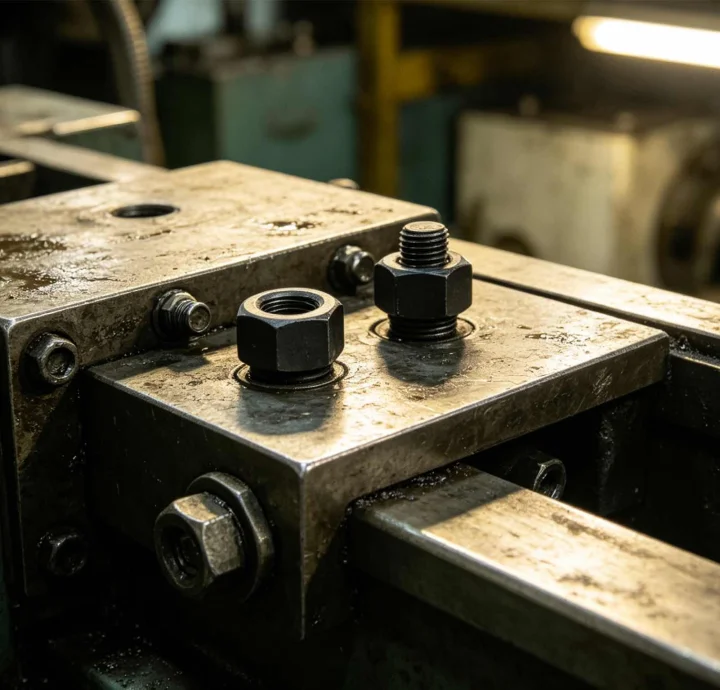
For renewable energy infrastructure, a Customized bolt and pin is not considered reliable simply because it matches a drawing. It must pass a structured quality control process that confirms material integrity, dimensional accuracy, mechanical strength, coating performance, and traceability. Wind turbines, solar trackers, hydro systems, and battery storage frames all operate under vibration, load cycling, corrosion, and temperature variation, so verification must be built into every production stage.
Quality Control Checkpoint Framework
- Material certification review: verify steel grade, heat number, chemical composition, and mill certificates before machining or forging begins.
- Dimensional inspection: confirm thread pitch, shank diameter, pin length, hole alignment, tolerances, and surface finish using calibrated gauges or CMM inspection.
- Mechanical testing: validate tensile strength, yield strength, shear resistance, hardness, and fatigue performance according to project requirements.
- Surface and coating inspection: check galvanizing thickness, zinc-nickel coating, passivation, or anti-corrosion layers for adhesion and uniformity.
- Final traceability audit: match batch numbers, test reports, inspection records, and packaging labels before shipment.
Because renewable energy assemblies often remain in service for decades, therefore every Customized bolt and pin must be traceable from raw material to final installation. This reduces failure risk and supports maintenance teams when replacement or root-cause analysis is required.
| Verification Item | Method | Typical Standard Reference |
|---|---|---|
| Material composition | Spectrometer test and mill certificate review | ISO material documentation practices |
| Thread and dimension accuracy | Go/no-go gauges, micrometers, CMM | ISO 965, ISO 2768 |
| Mechanical strength | Tensile, hardness, and shear testing | ISO 898 series |
| Coating durability | Salt spray test and coating thickness test | ISO 9227, ISO 1461 |
Quality programs should also align with recognized management and improvement systems, including ISO 9001 quality management and guidance from the American Society for Quality (ASQ). Because ISO and ASQ-based systems emphasize documented processes, corrective action, and continuous improvement, therefore manufacturers can control variation before it becomes a field failure.
In short, quality verification is not a final inspection step; it is a complete prevention system. For renewable energy projects, disciplined inspection and certification ensure each customized fastener performs safely under long-term environmental and mechanical stress.
Part 7: Common Mistakes and How to Avoid Them
Renewable energy projects rely on every connection to perform under stress, weather, vibration, and long service cycles. Choosing the right Customized bolt and pin is not only a purchasing decision; it is a reliability decision. Below are common mistakes that can increase maintenance costs or shorten equipment life.
1. Using Standard Fasteners in High-Stress Locations
Because wind turbines, solar trackers, and hydro systems face repeated movement and load changes, therefore standard bolts may loosen, deform, or fail earlier than expected. The solution is to specify customized bolts and pins based on load rating, shear strength, fatigue resistance, and installation environment. Engineers should review drawings, torque requirements, and operational forces before approving the final design.
2. Ignoring Corrosion Resistance
Many renewable energy installations operate outdoors, near coastlines, or in humid environments. A common mistake is selecting fasteners without considering corrosion exposure. This can lead to rust, reduced strength, and difficult maintenance. The solution is to choose suitable materials or coatings, such as stainless steel, hot-dip galvanizing, zinc-nickel plating, or special anti-corrosion treatments based on the site conditions.
3. Poor Fit and Tolerance Control
If a pin is too loose, it may cause vibration and wear. If it is too tight, installation becomes difficult and may damage mating parts. Because dimensional accuracy directly affects load transfer and assembly stability, therefore tolerance control must be confirmed before production. The solution is to provide accurate drawings, define tolerances clearly, and request samples or inspection reports before bulk manufacturing.
4. Choosing Supplier Price Over Engineering Support
A low unit price can become expensive if the supplier cannot support customization, testing, or traceability. The solution is to work with a manufacturer that provides material certificates, quality inspection, heat treatment records, and technical feedback. This helps ensure each customized bolt and pin meets the actual performance needs of the renewable energy project.
| Mistake | Better Solution |
|---|---|
| Using standard fasteners for dynamic loads | Design customized bolts and pins according to load, vibration, and fatigue requirements |
| Overlooking corrosion risks | Select materials and coatings based on climate, moisture, and chemical exposure |
| Accepting unclear tolerances | Confirm drawings, measurements, samples, and inspection standards before mass production |
| Buying only by lowest price | Choose suppliers with engineering support, testing, and quality documentation |
Part 8: FAQ About Customized Bolts and Pins for Renewable Energy Infrastructure
What is a customized bolt and pin for renewable energy infrastructure?
A customized bolt and pin is a fastening component engineered to match specific load, corrosion, vibration, and installation requirements. In wind, solar, hydro, and battery systems, standard parts may not provide the required safety margin. To specify the right design, contact our engineering team for project support.
Why are customized bolts and pins important for wind turbines?
Customized bolts and pins are important because wind turbines face constant vibration, dynamic loads, and harsh outdoor exposure. Tailored dimensions, materials, coatings, and locking features improve fatigue resistance and service life. For reliable turbine fastening solutions, request technical guidance through our contact page.
How do customized bolts and pins improve solar farm reliability?
Customized bolts and pins improve solar farm reliability by ensuring mounting structures remain stable under wind, thermal expansion, and long-term weather exposure. Proper material selection and anti-corrosion treatment reduce maintenance risks. If your solar project needs application-specific fasteners, contact us to discuss requirements.
When should renewable energy projects choose customized fasteners instead of standard parts?
Renewable energy projects should choose customized fasteners when standard parts cannot meet strength, tolerance, environmental, or assembly requirements. Offshore wind, tracking solar systems, and hydro equipment often need special designs. To avoid costly failures, consult our team before finalizing your fastening specifications.
What materials are commonly used for customized bolts and pins?
Common materials include alloy steel, stainless steel, carbon steel, and specialty grades selected for strength, wear resistance, and corrosion protection. Surface treatments such as galvanizing, zinc-nickel plating, or coating may be added. For material recommendations based on your environment, contact our specialists.
How can buyers ensure the quality of a customized bolt and pin supplier?
Buyers can ensure supplier quality by checking engineering capability, material traceability, dimensional inspection, heat treatment control, and testing reports. A dependable supplier should support drawings, prototypes, and batch consistency. To evaluate your fastening needs with an experienced manufacturer, reach out through our contact link.
Conclusion
Customized bolts and pins are essential because renewable energy infrastructure demands strength, precision, and durability beyond ordinary fastening standards. The three key takeaways are clear: first, tailored fasteners improve safety under vibration, load, and weather stress; second, proper materials and coatings extend service life; third, expert manufacturing support reduces maintenance costs and project risk. Choosing the right Customized bolt and pin helps wind, solar, hydro, and energy storage systems operate more reliably. This article is written by Mr.chen, Technical Director, with practical experience in industrial fastening solutions.
Need a Customized Bolt and Pin Solution?
Need dependable fastening components for renewable energy projects? Share your drawings, materials, load requirements, or working conditions with our team today. Get expert support for a customized bolt and pin solution here: Contact Us.
Contact Mr.chen for expert guidance: https://www.china-bolt-pin.com//contact/
Post time: May-08-2026