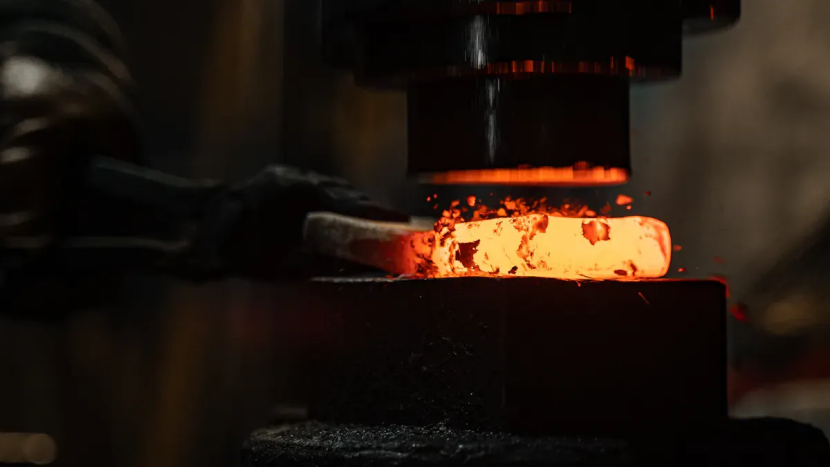
When it comes to heavy machinery, I can’t stress enough the importance of customized bolts and pins, especially when they are cold forged. These custom bolts and industrial pins offer unmatched strength and reliability, making them essential for demanding applications. With tailored manufacturing, they enhance performance and longevity, which ultimately reduces downtime and maintenance costs. I’ve seen firsthand how choosing the right customized bolt and pin can ensure an optimal fit and function, tailored to meet specific application needs. As an OEM pin manufacturer, we specialize in providing heavy-duty fasteners that meet the highest standards of quality.
Tip: Always consider the specific requirements of your machinery when selecting fasteners to maximize efficiency and safety.
Key Takeaways
- Custom cold-forged bolts and pins provide unmatched strength and reliability, essential for heavy machinery performance.
- Cold forging enhances tensile strength and fatigue resistance, making components ideal for high-load applications.
- Choosing the right manufacturer ensures quality and performance, so look for industry certifications like ISO 9001.
- Investing in customized fasteners leads to long-term cost savings and reduced maintenance for machinery.
- Stay updated on innovations in materials and technology to enhance the efficiency and strength of cold-forged components.
Advantages of Cold Forging
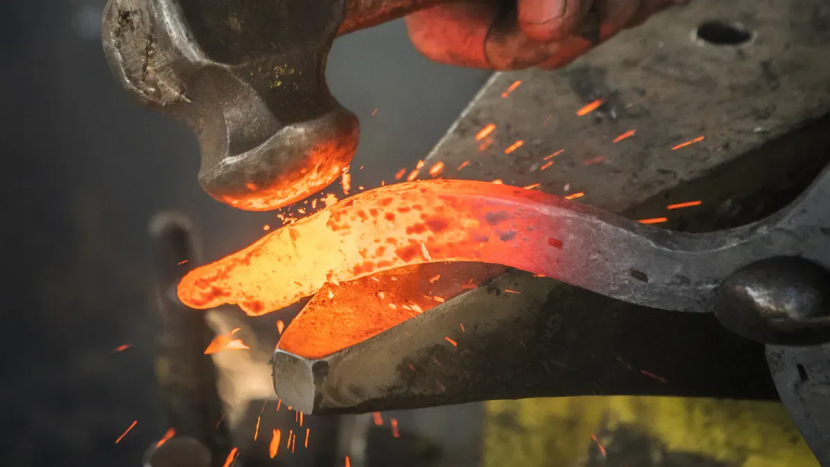
When I think about the advantages of cold forging, the first thing that comes to mind is the superior strength of customized bolts and pins. Cold forging enhances the mechanical properties of these components significantly. For instance, the process improves tensile strength and fatigue resistance due to strain hardening. This means that the crystal structure of the metal changes, resulting in a stronger and more durable product. Here are some key benefits:
- Cold forging increases tensile strength and fatigue resistance.
- The work hardening effect leads to denser crystal structures.
- These enhancements make cold-forged components ideal for high-load applications.
Next, let’s talk about dimensional precision in manufacturing. Cold forging achieves tight tolerances, which is crucial for heavy machinery. This method allows for rapid production while maintaining high precision. Compared to traditional machining, cold forging produces stronger fasteners with less material waste. Here’s a quick comparison of the manufacturing tolerances:
- Cold forming can achieve desired shapes in fewer steps.
- It strengthens the metal, enhancing durability and fatigue resistance.
- Cold-forged parts often exhibit increased strength due to the realignment of grain structure.
Lastly, I can’t overlook the cost efficiency of cold-forged components. Using cold-forged bolts and pins can lead to significant savings compared to hot-forged or machined alternatives. Here’s a breakdown of the cost aspects:
|
Aspect |
Cold Forging |
Hot Forging |
| Energy Requirement | Requires less energy | Higher energy consumption |
| Surface Finish | Superior surface finish | Inferior surface finish |
| Complexity of Shapes | Can create complex shapes easily | Limited to simpler shapes |
| Cost Efficiency | Generally lower costs | Higher costs due to energy and complexity |
In my experience, investing in customized cold-forged bolts and pins not only enhances the performance of heavy machinery but also leads to long-term cost savings.
Applications in Heavy Machinery
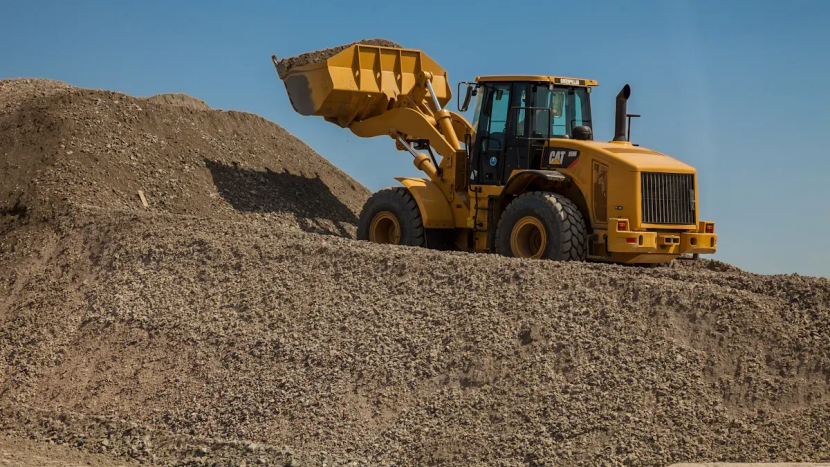
When it comes to heavy machinery, I’ve seen how customized bolts and pins play a crucial role in various applications. Let’s dive into some specific areas where these components shine.
Customized Bolt and Pin in Construction Equipment
In construction, the demands on machinery are immense. Customized bolts and pins are essential for ensuring that equipment operates efficiently and safely. I’ve noticed that different types of construction equipment benefit significantly from these tailored components. Here’s a quick look at some of the most common equipment and the performance improvements they experience:
|
Equipment Type |
Benefit |
| Excavators | High-strength, lightweight components for better load handling and fuel efficiency. |
| Loaders | Enhanced tensile strength (20-30% higher) for load-bearing applications. |
| Graders | Improved resistance to crack propagation and metal fatigue due to refined grain structure. |
| Cranes | Components designed to withstand repeated impact cycles, ensuring durability and reliability. |
| Hydraulic Cylinders | Optimized for high-stress applications, enhancing overall machine performance. |
I’ve seen firsthand how these improvements lead to increased productivity on job sites. The right customized bolt and pin can make all the difference in how well a machine performs.
Role in Mining Machinery
Mining machinery operates under extreme conditions, and the components used must be up to the task. Customized cold-forged bolts and pins provide the strength and durability needed to withstand harsh environments. I’ve worked with various mining equipment, and I can tell you that the reliability of these fasteners is non-negotiable. They help prevent failures that could lead to costly downtime.
In mining, the stakes are high. Equipment like drills and haul trucks rely on these components to function correctly. The enhanced fatigue resistance of cold-forged bolts means they can handle the repetitive stress of heavy loads without compromising performance. This reliability translates into safer operations and reduced maintenance costs.
Importance for Agricultural Implements
Agriculture is another field where customized bolts and pins are vital. I’ve seen how these components enhance the performance of various agricultural implements. Here’s a look at some of the key implements that benefit from cold-forged components:
|
Agricultural Implements |
Benefits of Cold-Forged Components |
| Hydraulic cylinder components | Strong and reliable for heavy-duty applications |
| Bucket teeth and cutting edges | Enhanced durability and resistance to wear and impact |
| Track links and pins | Improved longevity and reduced maintenance costs |
| Drive shafts and couplings | Increased strength and reliability under heavy loads |
| Shovels, picks, and blades | Better performance in rugged work environments |
Using customized bolts and pins in agricultural machinery not only boosts performance but also ensures that equipment lasts longer. I’ve seen farmers reduce their maintenance costs significantly by investing in these high-quality components.
Choosing the Right Manufacturer
When it comes to selecting a manufacturer for custom cold-forged bolts and pins, I always emphasize the importance of quality assurance in production. You want to ensure that the manufacturer adheres to strict quality standards. I look for certifications like IATF 16949 and ISO 9001, which indicate a commitment to quality management. These standards focus on customer satisfaction and require compliance with rigorous testing protocols.
Here are some key processes that manufacturers should follow to ensure consistent quality:
- Stringent material testing to verify raw material quality.
- Cold forging techniques that shape bolts while enhancing strength.
- Thread rolling for creating durable and precise threads.
- Heat treatment to optimize mechanical properties and resistance to wear.
- Surface finishing for corrosion protection and improved appearance.
- Final inspections to ensure defect-free products.
Next, I consider the customization capabilities of suppliers. A good manufacturer should offer a range of options to meet unique specifications. For instance, they should provide access to various materials, including carbon alloy and stainless steels, as well as exotic metals. Here’s a quick look at some customization features that I find valuable:
|
Feature |
Description |
| Advanced Manufacturing | Utilizes precision secondary processes like grinding and broaching to ensure repeatability. |
| Material Expertise | Access to a variety of materials tailored to client specifications. |
| Quality Assurance | ISO 9001-2015 compliant system with 2-way traceability and extensive documentation. |
| Flexible Production | Scalable manufacturing from prototypes to high-volume production runs. |
| Engineering Support | Collaboration with technical teams to optimize specifications for performance and cost. |
Lastly, I always check the industry experience and reputation of the manufacturer. A company with a solid track record often indicates reliability and quality. I look for manufacturers that have been in the business for several years and have a portfolio of successful projects. For example, cold forging is crucial for engine bolts and studs, where thread integrity under heat and pressure is vital.
By focusing on these criteria, I ensure that I choose a manufacturer who can deliver high-quality, reliable cold-forged bolts and pins tailored to the specific needs of heavy machinery applications.
Future Trends in Cold Forging
As I look ahead, I see exciting trends shaping the future of cold forging. Innovations in materials and advancements in technology are paving the way for stronger, more efficient components. Let’s explore these trends together.
Innovations in Materials for Enhanced Strength
I’ve been following some fascinating developments in materials used for cold-forged bolts and pins. Researchers are constantly pushing the boundaries to create stronger and more durable components. Here’s a quick overview of some of the innovations I find particularly interesting:
|
Innovation Description |
Details |
| Stress Pins | These are used for local prestressing of cold forging tools, which enhances tool life and performance. |
| Tool Material Developments | Research focuses on different materials, coatings, and heat treatments to increase strength. |
| Complex Part Geometries | Innovations now allow for the production of complex geometries like screw wrenches and gear rings. |
These advancements not only improve the strength of the components but also expand the possibilities for design and application. I believe that as manufacturers adopt these new materials, we’ll see a significant boost in the performance of heavy machinery.
Advancements in Technology for Efficiency
Technology is also playing a crucial role in enhancing the efficiency of cold forging processes. I’ve noticed several key advancements that are making a real difference:
- Automation and Robotics: These technologies reduce labor costs and improve safety on the production floor.
- Hybrid Manufacturing Processes: Combining cold forging with other techniques leads to better results and more versatile components.
- Enhanced Material Properties: There’s a growing focus on sustainability and energy efficiency in forging processes.
A recent case study I came across highlighted how in-house tool design, progressive deformation, and controlled extrusion in cold forging can lead to significant material savings and high mechanical strength. This kind of efficiency is essential for meeting the demands of modern industries.
Moreover, the increasing adoption of electric vehicles is driving the need for specialized cold-forged components. Lightweight connectors and battery hardware are just a couple of examples where superior strength-to-weight ratios make a big impact. Companies that embrace these trends early can secure a competitive edge, which is crucial in today’s fast-paced market.
Custom cold-forged bolts and pins are vital for boosting the performance and durability of heavy machinery. I’ve seen how these components can enhance tensile strength by 10–30%, making them a smart investment. Plus, they utilize materials efficiently, reducing waste to 95–98%. This means you get more bang for your buck!
Investing in these high-quality components leads to long-term cost savings and operational efficiency. However, selecting the right manufacturer is crucial. A reputable manufacturer ensures that their products meet strict industry standards, like ASTM F1554. This guarantees reliability and performance, which is essential for keeping your machinery running smoothly.
Remember, quality matters! Choosing the right supplier can make all the difference in your machinery’s success.
FAQ
What are custom cold-forged bolts and pins?
Custom cold-forged bolts and pins are fasteners made through a process that shapes metal at room temperature. This method enhances their strength and durability, making them ideal for heavy machinery applications.
Why should I choose cold-forged components over traditional ones?
I prefer cold-forged components because they offer superior strength, dimensional precision, and cost efficiency. They also reduce material waste, which is a big plus for both performance and the environment.
How do I know if I need custom bolts and pins?
If your machinery operates under specific conditions or requires unique dimensions, custom bolts and pins are essential. They ensure optimal fit and function, enhancing overall performance.
What materials are commonly used for cold-forged bolts and pins?
Manufacturers often use carbon steel, stainless steel, and alloy steels for cold-forged components. These materials provide the strength and durability needed for demanding applications.
How can I find a reliable manufacturer for these components?
I recommend looking for manufacturers with industry certifications like ISO 9001. Check their experience, customer reviews, and customization capabilities to ensure you get high-quality products.
Title: Why Custom Cold-Forged Bolts and Pins Are Essential for Heavy Machinery,
Description: Custom cold-forged bolts and pins enhance strength and durability in heavy machinery, ensuring optimal performance and reduced maintenance costs.,
Keywords: Customized bolt and pin
Post time: Apr-12-2026