Standardization and Compatibility: A Guide to International Hex Bolt and Nut Grades
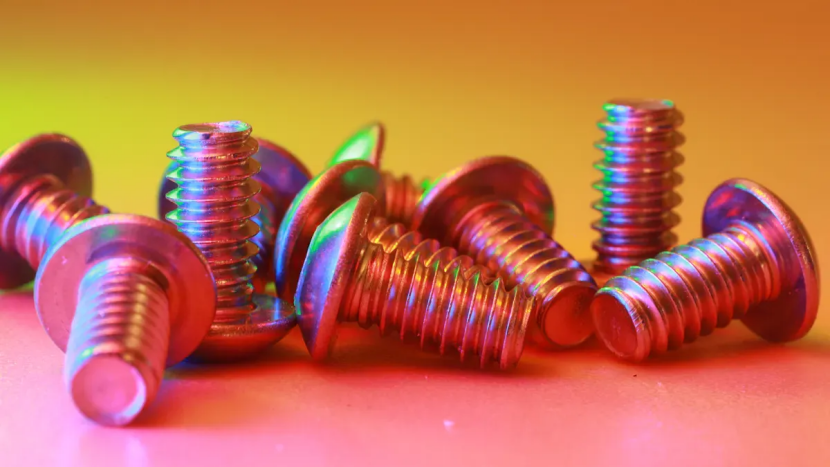
When I think about fasteners, standardization stands out as crucial. It ensures that every hex bolt and hex nut, including plow bolt and nut combinations, meets specific quality and performance standards. This consistency is vital for safety and reliability in various applications.
Fastener compatibility plays a significant role too. Choosing the right fasteners, such as metric fasteners, can affect mechanical safety and performance metrics. For instance, if I select a bolt based solely on strength grade, I might overlook whether the joint is tension-dominated or shear-dominated. Understanding these factors helps prevent mistakes that could lead to failure.
Hex bolts and nuts, along with stainless steel nuts, find their way into countless applications, from construction to automotive. Whether I’m using these materials or other metric fasteners, I always remember that proper selection is key to achieving optimal results.
Key Takeaways
- Standardization ensures hex bolts and nuts meet safety and performance standards, enhancing reliability in various applications.
- Choosing the right fasteners based on material and strength ratings is crucial for optimal performance and durability.
- Understanding international standards like ISO, ASTM, and DIN helps ensure compatibility and safety in fastener selection.
- Assessing environmental factors and load requirements is key to selecting the appropriate hex bolts and nuts for your projects.
- Regularly cross-reference grades and specifications to avoid compatibility issues and ensure safe, effective use of fasteners.
Key Specifications of Hex Bolts and Nuts
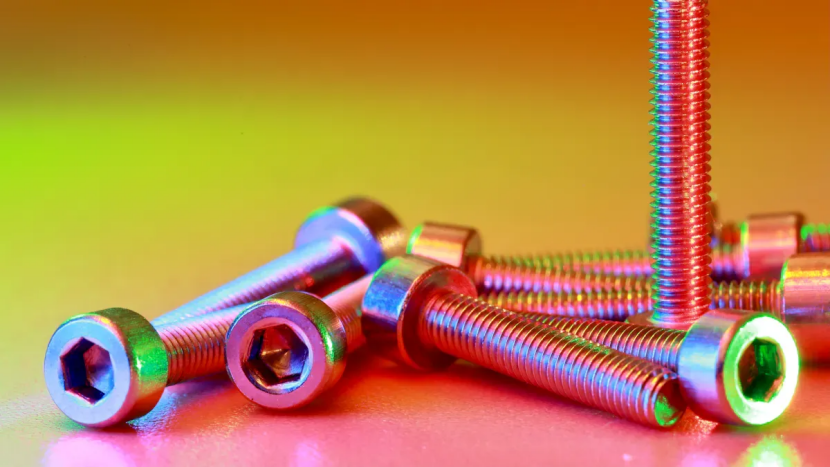
When I choose hex bolts and nuts, I pay close attention to their specifications. The right material can make all the difference in performance and durability.
Material Types
Here are some common material types I often consider:
|
Material Type |
Properties and Applications |
| Carbon Steel | This is the most widely used material. It’s affordable and has adequate mechanical strength. However, it can corrode without proper coating. |
| Stainless Steel | I love using stainless steel for its excellent corrosion resistance. It’s perfect for marine and chemical applications. Plus, it has a higher strength-to-weight ratio than mild steel. |
| Brass | Brass is great for electrical applications due to its good conductivity. However, it lacks the mechanical strength of steel. |
| Specialized Alloys | For aerospace and medical devices, I often turn to specialized alloys like titanium and nickel. They offer exceptional strength and corrosion resistance. |
Stainless steel, for instance, contains about 12% chromium, which forms a protective film against corrosion. This feature allows it to withstand moisture and chemicals, making it a reliable choice for various environments.
Strength Ratings
Strength ratings are crucial when selecting hex bolts and nuts. They indicate how much load a fastener can handle before failure. Here’s a quick guide:
- I typically use Grade 5 or 8 bolts with matching nuts for general machinery.
- For heavy equipment, I opt for higher grades like 10.9 or 12.9.
- I always ensure that the nuts meet or exceed the bolt strength.
|
Material/Grade |
Application |
Strength Rating |
| SS 304 | Corrosion resistance | Standard use |
| ASTM A194 Grade 2H | High-load applications | Preferred for safety and performance |
| DIN 934 | Heavy dynamic loads | Recommended for durability |
Thread Pitch and Size
Thread pitch and size are also vital specifications. They determine how well the bolt and nut fit together. Here’s a quick reference for common sizes:
|
Size |
Thread Pitch (UNF) |
Thread Pitch (Metric Coarse) |
Thread Pitch (Metric Fine) |
| 1/4 inch | 28 TPI | N/A | N/A |
| 5/16 inch | 24 TPI | N/A | N/A |
| 3/8 inch | 24 TPI | N/A | N/A |
| M6 | N/A | 1.0 mm | 0.75 mm |
| M8 | N/A | 1.25 mm | 1.0 mm |
| M10 | N/A | 1.5 mm | 1.25 mm |
Understanding these specifications helps me make informed decisions, ensuring that I select the right hex bolts and nuts for my projects.
Overview of Major International Standards
When it comes to hex bolts and nuts, understanding international standards is essential. These standards ensure that fasteners meet specific quality and performance criteria, which is crucial for safety and reliability. Let’s dive into the major standards I often encounter: ISO, ASTM, and DIN.
ISO Standards
The International Organization for Standardization (ISO) sets global standards that many countries adopt. In fact, 94 countries have embraced ISO standards for fasteners. Here are some key ISO standards I frequently reference for hex bolts and nuts:
|
ISO Standard |
Description |
| ISO 8765:2022 | Fasteners — Hexagon head bolts, with fine pitch thread — Product grades A and B |
| ISO 4015:2022 | Fasteners — Hexagon head bolts with reduced shank — Product grade B |
| ISO 4016:2022 | Fasteners — Hexagon head bolts — Product grade C |
| ISO 4014:2022 | Fasteners — Hexagon head bolts — Product grades A and B |
| ISO 8992:2005 | Fasteners — General requirements for bolts, screws, studs, and nuts |
These standards help me ensure that the fasteners I choose are reliable and compatible with various applications.
ASTM Standards
The American Society for Testing and Materials (ASTM) provides standards primarily used in the United States. I find ASTM standards particularly useful in industries like oil and gas, power generation, and construction. Here’s a quick comparison of ASTM and ISO standards for hex bolts and nuts:
|
Standard |
Grade |
Tensile Strength (MPa) |
Tensile Strength (ksi) |
| ISO | 8.8 | 800 | 70 |
| ASTM | A307 Grade B | 800 | 70 |
| ISO | 10.9 | 1000 | 120 |
| ASTM | A325 Type 1 | 1000 | 120 |
| ISO | 12.9 | 1200 | 150 |
| ASTM | A490 | 1200 | 150 |
I appreciate that ASTM standards often do not use numeric grades on the bolt head. Instead, they mark specifications on packaging or lot numbers. This can make it a bit tricky to identify grades at a glance, unlike ISO standards, which clearly mark grades directly on the bolt head.
DIN Standards
Deutsches Institut für Normung (DIN) standards originate from Germany and are known for their precision and high quality. I often rely on DIN standards when working on projects in Europe or with European manufacturers. Here’s a quick overview of DIN standards:
|
Standard |
Origin |
Characteristics |
Example |
| DIN | Germany | Known for precision and high quality. Widely used in Europe and many export markets. | DIN 934 (hex nut), DIN 7991 (countersunk socket cap screw) |
DIN standards enhance compatibility with other international standards. They establish a framework that improves interoperability and consistency in manufacturing. The use of ISO metric threads, often recognized as ISO metric (DIN), indicates that these standards are widely accepted globally. This compatibility facilitates trade and minimizes barriers to market entry.
In my experience, understanding these standards not only helps me select the right fasteners but also ensures that my projects meet safety and performance requirements.
JIS Standards
When I think about JIS standards, I realize how crucial they are in the fastener industry, especially in Japan and other Asian countries. The Japanese Industrial Standards (JIS) provide guidelines that ensure quality and compatibility for hex bolts and nuts. Here are some unique features of JIS standards that I find particularly noteworthy:
- JIS fasteners are designated by a letter and a number. This system indicates their field of application and specific standard.
- They fit well with many Japanese machines and products, ensuring proper function and reliability.
- JIS fasteners are made from high-quality materials and undergo strict quality control. This enhances their durability and performance.
- They come in various sizes, shapes, and materials, making them versatile and adaptable to different needs.
I often encounter JIS standards in various manufacturing sectors, especially in food safety and packaging regulations. For instance, in tinplate manufacturing, JIS standards play a vital role in ensuring product quality and compliance with food safety regulations. This is crucial for manufacturers not just in Japan, but also in other Asian countries like China and India. The prevalence of JIS standards in these sectors highlights their importance in maintaining high-quality production.
In my experience, using JIS-compliant fasteners gives me peace of mind. I know that I’m working with reliable components that meet stringent quality requirements. Whether I’m involved in automotive, construction, or even food packaging, I always consider JIS standards as a benchmark for quality and compatibility.
By understanding JIS standards, I can make informed decisions when selecting hex bolts and nuts. This knowledge helps me ensure that my projects not only meet safety and performance requirements but also align with industry best practices.
Selecting the Right Grades
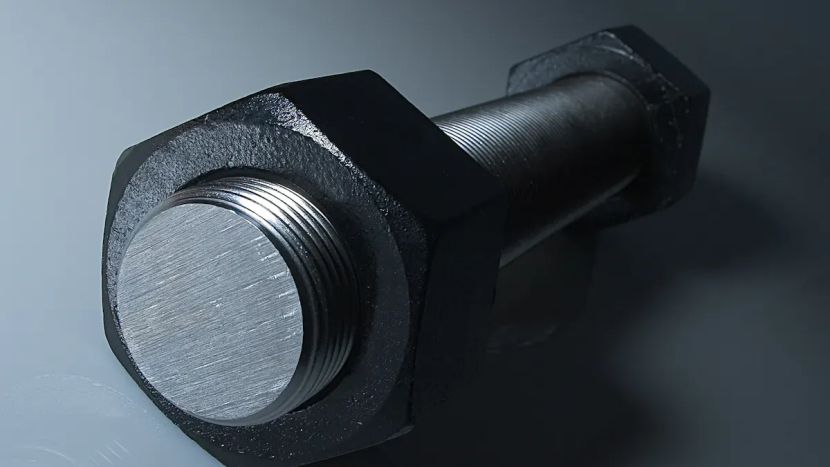
When I select hex bolts and nuts, I always consider several key factors to ensure I make the right choice.
Application Considerations
First, I determine how the fastener will be used. This includes assessing the specifications such as diameter, thread pitch, length, material, grade, and coating. Each of these factors directly influences the bolt’s strength and durability. For example, if I’m working on a project that requires high strength, I might choose Grade 8 carbon steel bolts. Here’s a quick reference for materials based on application:
|
Factor |
Recommended Materials |
| Corrosion Resistance | 304 Stainless Steel, 316 Stainless Steel, Monel, Inconel |
| Strength Requirements | Grade 5 Carbon Steel, Grade 8 Carbon Steel, AISI 4140 Alloy Steel, Grade 5 Titanium |
| Temperature Resistance | Inconel 625, Inconel 718, Titanium Grade 5 |
| Aesthetic Needs | Brass, Bronze (C360 Brass Nuts and Bolts, B584 Bronze Nuts and Bolts) |
| Cost Considerations | Carbon Steel Grade 5 Nuts and Bolts (economical), Stainless Steel 304, Titanium (more expensive) |
Environmental Factors
Next, I assess the environmental conditions where the fastener will be applied. Factors like temperature, moisture, and chemical exposure can significantly impact performance. For instance, if I know the fasteners will be exposed to saltwater, I opt for materials with high corrosion resistance. Here’s how different environmental factors affect performance:
|
Environmental Factor |
Impact on Performance |
| Temperature | Affects material strength and flexibility |
| Moisture | Can lead to corrosion and degradation |
| Humidity | Influences rust formation and material integrity |
| Chemical Exposure | May cause material breakdown or weakening |
Load Requirements
Finally, understanding load requirements is crucial. I always check the load the bolts must support. For heavy structural components, I need high-strength bolts, while lighter applications may only require standard-strength bolts. For example, Grade 5 bolts can handle most static loads, but for conditions involving alternating or impact loads, I upgrade to Grade 10.9 or 12.9 high-strength bolts. Here’s a quick overview of standard load requirements:
|
Grade |
Proof Load (psi) |
Applications |
| Grade 5 | 120,000 (1/4″ – 1″) 105,000 (1-1/8″ – 1-1/2″) |
Designed for use with bolts with a min tensile strength equal to or less than the specified proof stress of the nut. |
| Grade 8 | 150,000 (1/4″ – 1-1/2″) | Designed for use with bolts with a min tensile strength equal to or less than 150,000 psi. |
By considering these factors, I can confidently select the right hex bolt and nut grades for my projects, ensuring safety and performance.
Ensuring Compatibility Between Standards
When I work with hex bolts and nuts, ensuring compatibility between different standards is crucial. It can save me from potential failures and safety hazards. Here’s how I navigate this complex landscape.
Cross-Referencing Grades
Cross-referencing grades helps me understand how different standards relate to one another. I often find it useful to create a comparison chart that outlines the equivalent grades across various standards like ISO, ASTM, and DIN. This way, I can quickly identify which bolts and nuts will work together. For example, if I have an ASTM A325 bolt, I can cross-reference it with ISO 10.9 to find a compatible nut.
Common Compatibility Issues
I’ve encountered several compatibility issues when mixing hex bolt and nut standards. Here are some of the most common ones:
- Friction Coefficients: Different types of galvanizing can lead to varying friction coefficients. This affects the torque and tension relationship, making it hard to achieve the desired clamping force.
- Thread Standards: Different countries have varying thread standards, like Metric versus UNC/UNF. This can lead to poor fit and an inability to tighten properly.
- Strength Mismatch: Using a high-grade bolt with a low-grade nut can result in thread shear failure. I always ensure that the nut’s strength meets or exceeds that of the bolt.
- Material Compatibility: Mixing materials like carbon steel and stainless steel can cause electrochemical corrosion, which significantly increases corrosion rates.
- Size Deviation: Nuts from different standards may have similar specifications but differ in thread tolerances. This affects preload distribution and can lead to joint failure.
In my experience, I’ve learned that permissible mixing is allowed in emergency maintenance situations. However, I should replace compliant parts within 48 hours and reduce the load by 20%. On the other hand, mixing is strictly prohibited in bearing structures, dynamic load environments, and special equipment like pressure vessels.
Solutions for Compatibility Challenges
To tackle compatibility challenges, I follow some best practices that have proven effective:
- Ensure Proper Alignment: I use self-aligning nuts and conduct regular inspections to prevent misalignment. This helps maintain the integrity of the joint.
- Material Compatibility: I always select nuts and bolts designed for the same application. This avoids issues like corrosion or warping that can arise from using mismatched materials.
- Use Correct Specifications and Tools: Employing torque wrenches and following torque specifications ensures reliable fitting. This step is crucial for achieving the desired performance.
Additionally, I’ve found that adapters and conversion tools, like thread adapters and inserts, can effectively address compatibility issues. They enable retrofitting and field repairs, which is particularly beneficial for extending the lifespan of older equipment or adapting machines to locally available fasteners.
By being proactive and informed about compatibility, I can ensure that my projects run smoothly and safely. It’s all about making the right choices and understanding the standards that govern the fasteners I use.
Plow Bolt and Nut Specifications
When I think about plow bolt and nut specifications, I realize how important it is to choose the right materials and strength ratings. Plow bolts are typically made from high-strength carbon steel. This material provides the durability needed for heavy-duty applications. I often look for bolts that meet specific strength requirements, such as Grade 5 or Grade 8, depending on the load they will bear.
Material and Strength Requirements
The material choice directly impacts performance. For plow bolts, I prefer those with a heat-treated finish. This treatment enhances their strength and resistance to wear. Here’s a quick overview of the common materials and their properties:
|
Material Type |
Strength Rating |
Applications |
| Carbon Steel | Grade 5 | General agricultural use |
| Alloy Steel | Grade 8 | Heavy-duty applications |
| Stainless Steel | Varies | Corrosion-resistant environments |
Applications and Uses
Plow bolts and nuts find their way into various applications. I often use them in agricultural equipment, like plows and harrows. They secure components that experience high stress and impact. Additionally, I’ve seen them used in construction machinery and other heavy equipment. Their design allows for easy installation and removal, which is a huge plus when I need to make repairs or adjustments.
Compatibility with Other Fasteners
Compatibility is another crucial aspect I consider. Plow bolts typically have a square neck that prevents rotation during installation. This design means I need to ensure that the nuts I use are compatible with the bolt’s dimensions. I often refer to standard charts to confirm that the thread pitch and size match. Using mismatched fasteners can lead to joint failure, which I always want to avoid.
In my experience, sticking to the same manufacturer for both plow bolts and nuts helps maintain compatibility. It reduces the risk of issues arising from slight variations in dimensions or materials.
In my experience, standardization and compatibility are vital in selecting hex bolts and nuts. They ensure safety, reliability, and performance in various applications. Here’s a quick look at why these aspects matter:
|
Aspect |
Importance |
| Safety | Compliance with global standards ensures fasteners meet safety requirements. |
| Reliability | Approved fasteners reduce equipment problems, enhancing reliability. |
| Performance | Standardized fasteners perform well in demanding environments. |
| Maintenance Costs | Standardization helps reduce maintenance costs, contributing to efficiency. |
| Environmental Impact | Eco-friendly manufacturing improves company image and supports sustainability. |
I encourage everyone to adhere to these standards. Doing so not only enhances safety but also boosts performance in every project.
FAQ
What is the difference between metric and imperial fasteners?
Metric fasteners use millimeters for measurements, while imperial fasteners use inches. I often choose metric fasteners for international projects, as they are more widely accepted in many countries.
How do I know which grade of bolt to use?
I consider the application, load requirements, and environmental factors. For heavy-duty tasks, I typically opt for higher grades like 10.9 or 12.9. Always match the nut’s strength to the bolt’s grade.
Can I mix different standards of bolts and nuts?
Mixing standards can lead to compatibility issues. I avoid it unless necessary. If I must mix, I ensure the grades and sizes align closely to maintain safety and performance.
What materials are best for outdoor applications?
For outdoor use, I prefer stainless steel or galvanized carbon steel. These materials resist corrosion and withstand harsh weather conditions, ensuring durability and reliability in my projects.
How can I ensure proper torque when fastening?
I always use a torque wrench to apply the correct torque. This tool helps me achieve the desired clamping force, preventing over-tightening or under-tightening, which can lead to joint failure.
Title: Standardization and Compatibility: A Guide to International Hex Bolt and Nut Grades,
Description: Understand international hex bolt and nut grades, including plow bolt and nut specifications, for optimal safety and compatibility in your projects.,
Keywords: Plow bolt and nut
Post time: Apr-13-2026