TL;DR: 5 key maintenance takeaways
- Inspect critical bolt points every 50 h to 100 h of field use.
- Re-torque newly installed assemblies after 5 h to 10 h of operation.
- Keep seating surfaces free of debris thicker than 1 mm for proper head contact.
- Track wear-hole growth; replace parts before elongation exceeds about 2 mm to 3 mm.
- Target downtime reduction of 10 % to 20 % through standardized fastener checks.
Why precision matters in agricultural fasteners
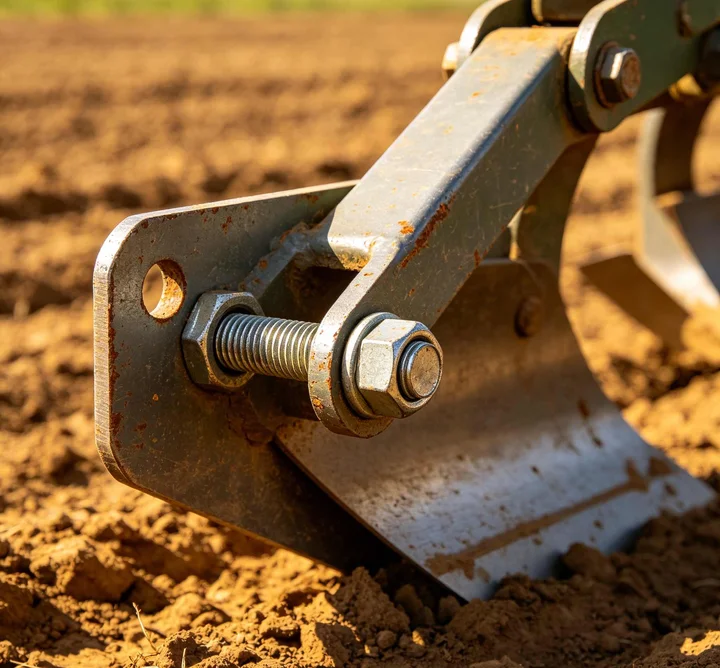
A field implement may look simple, but the forces moving through blades, shanks, edges, and scrapers are anything but simple. A single mounted tool can cycle through compression, shock, vibration, and abrasive friction thousands of times over just 1 day of work. In that environment, a Plow bolt and nut is not a commodity detail. It is a structural maintenance decision.
Precision-engineered fasteners improve service life because the head profile is designed to sit flush, the shank dimensions are consistent, and the threads engage predictably. If the head stands proud by even 1 mm to 2 mm, soil flow can strike it repeatedly. That happens because exposed metal becomes a wear point, so abrasion increases and removal later becomes harder. If the square neck or seating area does not match the hole, movement begins. That happens because contact stress concentrates unevenly, so the hole stretches and the implement loses clamping force.
For maintenance teams, the lesson is simple: better fit means better retention. Better retention matters because clamped parts move less, so wear surfaces stay aligned and replacement intervals become more predictable.
Maintenance reality: A bolt failure rarely starts as a dramatic break. It often starts as micro-movement of less than 1 mm, followed by fretting, loosening, and elongated holes over 20 h to 80 h of work.
The core functions of a plow bolt and nut assembly
A high-quality Plow bolt and nut assembly does more than hold two parts together. It performs at least 4 functions at once: clamping, surface protection, load transfer, and maintenance repeatability.
- Clamping: It secures wear parts with enough preload to resist vibration.
- Surface protection: The low-profile head helps shield the fastener from direct abrasion.
- Load transfer: Proper seating spreads force through the contact surface instead of concentrating it at one edge.
- Maintenance repeatability: Consistent dimensions make replacement faster during seasonal service windows.
These functions are interrelated because preload depends on thread behavior, so material quality directly affects maintenance outcomes. They are also interrelated because head geometry affects wear exposure, so design details influence both field life and removal time.
Common failure modes and what they reveal
When agricultural machinery suffers repeated fastener issues, the root cause is often visible if you know where to look. The most common warning signs include head lift, rust streaks, polished contact marks, oval holes, and broken threads.
1. Loosening under vibration
This usually points to poor torque control, contamination under the head, or insufficient seating. It happens because dirt blocks full contact, so the clamp load drops after the first few impacts.
2. Elongated holes
This points to movement between the fastener and the implement. It happens because the bolt is shifting under alternating load, so the hole edge wears out and the part may need replacement sooner than planned.
3. Premature head wear
This often indicates proud installation or wrong head profile. It happens because the head is exposed to abrasive flow, so material loss accelerates in sandy or rocky soil.
4. Bolt shank fracture
Fractures can result from overload, material mismatch, or long-term fatigue. It happens because repeated stress cycles accumulate, so a crack grows until the remaining section can no longer carry the load.
5. Nut damage during removal
This often points to corrosion, poor thread finish, or previous overtightening. It happens because damaged threads create friction spikes, so disassembly time increases during peak maintenance periods.
How to build a smarter maintenance routine
An effective maintenance plan does not require complexity. It requires consistency. The strongest results come from a routine built around inspection intervals, clean installation, torque discipline, and recorded replacement thresholds.
| Maintenance step | Recommended practice | Typical target | Why it matters |
|---|---|---|---|
| Pre-install cleaning | Remove rust, soil, and packed debris from head seat and hole | Less than 1 mm residue | Clean seating improves contact because surfaces mate fully, so preload is more stable |
| Initial torque | Use calibrated tools and documented settings | Specified in N·m | Correct torque supports clamp load because thread stretch is controlled, so loosening risk falls |
| Early recheck | Inspect after first operation window | 5 h to 10 h | New joints settle because surface asperities compress, so re-torque protects retention |
| Routine inspection | Check exposed nuts, wear alignment, and hole condition | Every 50 h to 100 h | Frequent checks catch movement early because small defects spread quickly, so downtime stays lower |
| Replacement threshold | Replace if wear holes grow or heads are damaged | About 2 mm to 3 mm elongation | Timely replacement prevents part loss because loose joints hammer surrounding metal, so repair costs escalate |
A documented routine matters even more for mixed fleets. One farm may run tillage tools, graders, loaders, and compact earthmoving attachments on the same site. In such cases, fastener standardization saves time because technicians can stock known sizes, so service windows become easier to schedule.
Selecting the right plow bolt and nut for the job
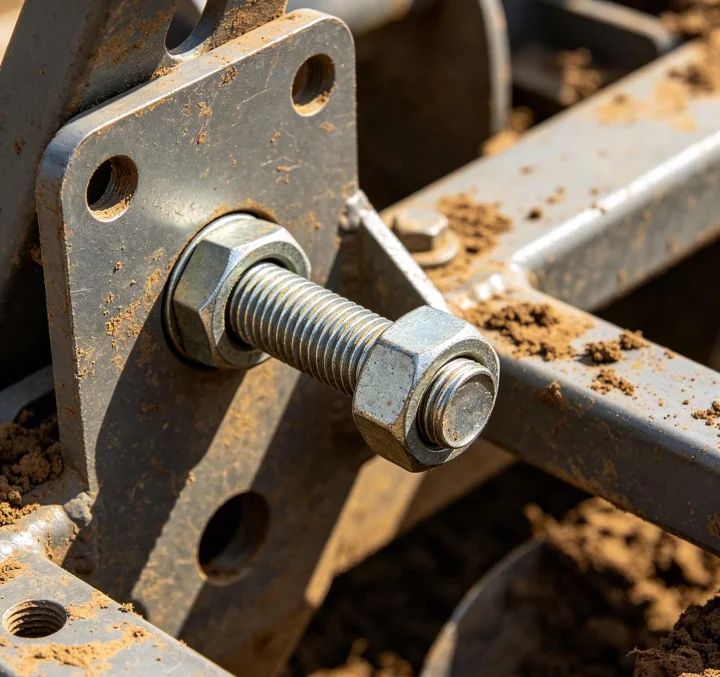
The right Plow bolt and nut depends on the implement, wear part thickness, hole design, shock loads, and service environment. Teams should review at least 6 variables: diameter, length, head type, material grade, thread accuracy, and nut compatibility.
Diameter affects cross-sectional strength. Length determines thread engagement and stack fit. Head geometry influences whether the fastener sits flush. Material hardness helps balance strength with toughness. Thread quality affects torque consistency. Nut design influences retention under vibration.
Applications differ widely, so it helps to compare a broader plow bolt selection with a more targeted part such as the 8T90796/V6535 1-1/4 plow bolt and nuts option. Comparison matters because dimensional accuracy affects interchangeability, so maintenance teams can reduce fitting issues during urgent replacements.
Installation practices that prevent avoidable downtime
Even the best engineered fastener can underperform if installation is careless. Good installation is practical, repeatable, and measurable.
- Inspect the hole for burrs, ovality, and embedded debris.
- Confirm stack thickness so the selected bolt length provides proper engagement.
- Seat the head fully before applying final torque.
- Use calibrated torque tools rather than estimation.
- Recheck after run-in at 5 h to 10 h.
These basics matter because installation quality sets the initial preload, so service life begins at the workshop, not in the field. They also matter because a poor first installation often creates hidden damage, so later tightening cannot fully correct the problem.
Material, corrosion, and abrasive soil conditions
Fastener selection should reflect the environment. Dry, sandy ground can produce severe abrasive wear, while wet, fertilizer-rich conditions can accelerate corrosion. A Plow bolt and nut used in one region may face a very different combination of wear and chemistry in another region.
Heat-treated alloy steel is often chosen for strength and toughness, but coating and finish also deserve attention. Corrosion matters because thread oxidation increases removal resistance, so maintenance labor rises during seasonal changeouts. Abrasion matters because exposed surfaces lose material over time, so head profile and seating quality have a direct effect on field life.
Cost control: the hidden savings of better fastener decisions
Many maintenance budgets focus on visible wear parts while underestimating fastener-driven losses. Yet a failed Plow bolt and nut can trigger extra labor, damaged holes, misaligned edges, and lost field time. If one machine is idle for even 4 h during a narrow weather window, the operational cost can exceed the price difference between basic and precision-engineered fasteners.
That is why lifecycle thinking matters. Good fasteners may cost more per unit, but they often lower total service cost because replacement frequency drops, so labor hours are used more productively. They also protect surrounding components because stable clamping reduces movement, so wear plates and edges last closer to their intended interval.
For 2026 maintenance planning, farms increasingly benefit from tracking bolt replacement by machine, location, and operating hours. Data matters because recurring failures usually follow patterns, so records help identify the exact combination of soil, tool, and installation practice causing the issue.
FAQ
1. Why are plow bolts preferred for agricultural wear parts?
Plow bolts are preferred because their head is designed to sit flush with the wear surface, reducing direct abrasion and minimizing snagging as soil flows over the tool. That low-profile seating helps protect the bolt from impact and also protects field performance. In maintenance terms, flush seating is valuable because exposed heads wear faster, so removal becomes more difficult and replacement cycles may shorten.
2. How often should plow bolt and nut assemblies be inspected?
A practical interval for many machines is every 50 h to 100 h, with an earlier recheck after the first 5 h to 10 h following installation. However, highly abrasive conditions, rocky fields, and heavy draft loads may justify more frequent inspections. The key is consistency. Inspections work because they catch head lift, movement marks, and nut loosening early, so small problems can be corrected before a part is lost in the field.
3. What causes plow bolts to loosen during service?
Loosening can result from insufficient torque, contamination beneath the head, worn holes, vibration, or mismatch between the bolt and the mating part. In many cases, the bolt itself is not the root problem. The assembly loosens because the seating surface is imperfect, so the initial clamp load relaxes as the joint settles under impact. This is why clean contact surfaces and early re-torque checks are so important.
4. Can changing fastener quality really improve uptime?
Yes, it can. Uptime improves when the fastener holds its preload, fits the hole correctly, and resists wear at the head and threads. Better fasteners support uptime because they reduce movement at the joint, so wear parts stay aligned longer and emergency repairs become less common. The benefit is especially visible during seasonal peaks when every 1 h of machine availability matters.
5. What should maintenance teams check before installation?
Teams should verify hole condition, wear part thickness, bolt length, thread condition, nut compatibility, and seating cleanliness. They should also confirm torque specifications in N·m and ensure the tool is calibrated. These checks matter because installation errors often create failure pathways immediately, so the assembly may be compromised before the machine even returns to the field.
6. Is it acceptable to use one torque value for every implement?
No. Torque should be matched to bolt diameter, material grade, surface condition, coating, and application demands. A one-size-fits-all value is risky because friction conditions differ, so the same torque may create too little preload in one assembly and excessive stress in another. Maintenance documents should therefore list torque by fastener specification, not just by habit.
7. How can operators recognize a failing fastener before breakdown?
Operators should look for shiny movement marks around the hole, rust trails, uneven wear patterns, lifted heads, damaged nuts, and the need for repeated retightening. These indicators matter because failure usually develops progressively, so visual clues appear before complete separation. A quick check during lubrication or cleaning can prevent a much larger repair later in the week.
8. What changes are likely in agricultural maintenance by 2026?
By 2026, more farms and service teams are expected to combine manual inspections with digital maintenance records, torque tracking, and scheduled replacement planning. This shift is practical rather than theoretical. Records improve decision-making because repeat failures can be linked to specific hours, field conditions, or machine locations, so parts stocking and preventive service become more targeted.
Final thoughts
In agricultural maintenance, reliability often comes from disciplined attention to small components. A Plow bolt and nut may seem minor compared with a blade, shank, or frame, yet it directly influences all of them. Choose the right geometry, install it correctly, inspect it consistently, and replace it before wear spreads. That approach works because secure joints preserve part alignment, so machinery stays productive for longer operating windows measured in h, not just days.
If your team is reviewing options for upcoming service intervals, use application-specific comparisons and keep installation standards clear. Precision in fasteners supports precision in maintenance, and precision in maintenance supports reliable field performance.
Post time: Apr-21-2026