- Modern tapered head plow bolt and nut assemblies improve blade seating under severe road abrasion.
- Stronger heat treatment helps fasteners resist loosening during long grading shifts.
- Precision head geometry reduces surface drag and protects cutting edges.
- Reliable sourcing from experienced manufacturers supports safer maintenance planning.
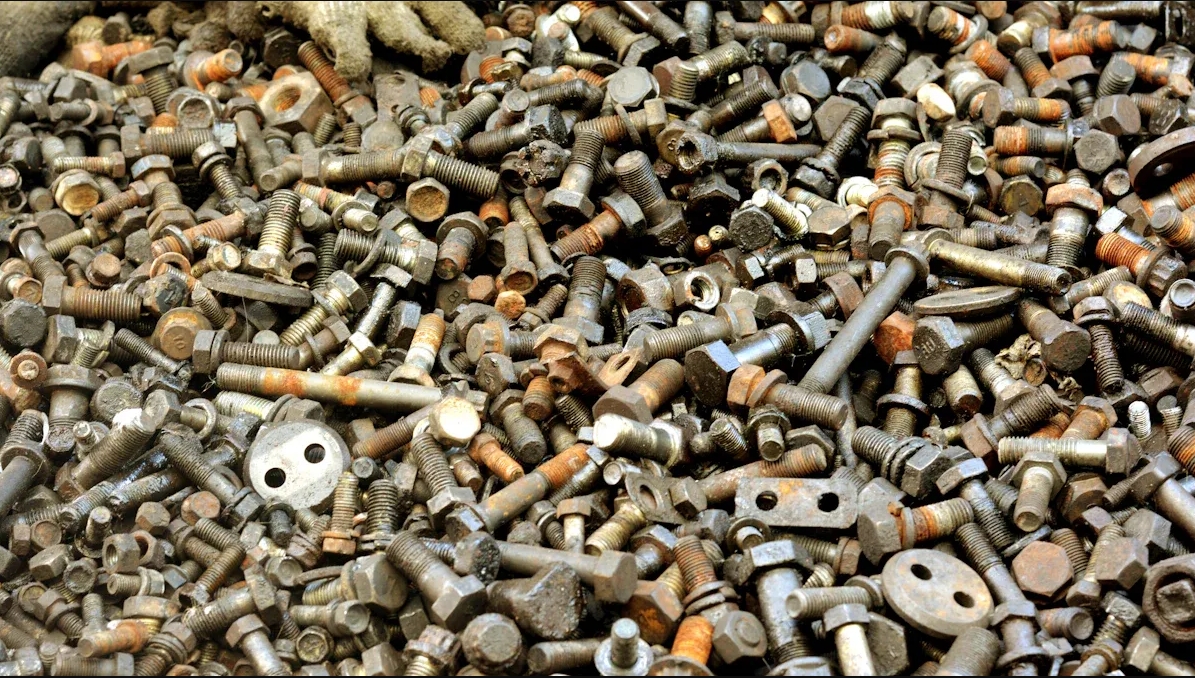
Innovations in tapered head plow bolt and nut systems matter because heavy road work exposes blades, moldboards, and cutting edges to constant impact, vibration, and abrasive soil. New designs focus on tighter taper control, improved alloy selection, cleaner thread forming, and more consistent heat treatment. These upgrades help the bolt sit flush, hold torque longer, and reduce unplanned downtime. For contractors, municipalities, and equipment fleets, the practical answer is simple: better plow fasteners keep road machinery working longer, especially during demanding grading, snow removal, and earthmoving operations.
A tapered head design is not only about appearance. It allows the head to seat into a countersunk hole so the working surface stays smooth. Because the head remains flush with the cutting edge, therefore material flow is cleaner and bolt head wear is reduced. This is especially important when machines work for 8 hours per shift or more on gravel roads, frozen shoulders, or construction access routes.
One major innovation is improved dimensional consistency. A small mismatch of 1 millimeter can affect seating pressure, especially on worn blades. Manufacturers now use tighter forming and inspection processes to help each plow bolt and nut assembly fit more predictably. Buyers can review available fastening solutions through the product range when matching bolts to grader blades, loader buckets, or plow edges.
- High-strength alloy steel improves resistance to shear loads during heavy road maintenance.
- Controlled heat treatment increases toughness while helping threads maintain clamping force.
- Accurate taper geometry supports stable seating in countersunk equipment holes.
- Matching nuts help distribute load evenly and reduce the risk of early loosening.
Material engineering is another key area. Because heavy vibration can gradually reduce clamp load, therefore dependable thread quality and compatible nuts are essential for safe blade retention. This is why experienced suppliers emphasize both bolt strength and nut fit, rather than treating them as separate parts.
For fleets comparing manufacturers, production experience and quality control are worth checking. Company background is available on the about page, and project-specific questions can be sent through the contact page.
Part 2: Market Overview, Statistics, and Industry Data
The market for tapered head fastening systems is expanding as highway agencies, snow contractors, and heavy-equipment fleets demand longer service life from cutting edges, grader blades, and plow assemblies. The target component, the Plow bolt and nut, is no longer treated as a commodity fastener; it is increasingly specified by head geometry, steel grade, coating performance, and torque retention under vibration.
According to Grand View Research, the global industrial fasteners market was valued at approximately USD 95.6 billion in 2023, with growth supported by construction, automotive, and infrastructure maintenance demand. In the road sector, replacement cycles are also influenced by winter operations: the Federal Highway Administration notes that more than 70% of U.S. roads are in snowy regions, creating recurring demand for snowplow wear parts and fastening hardware.
Because tapered heads sit flush with the blade surface, they reduce material buildup and impact points; therefore, fleets can lower the risk of bolt shearing during abrasive road work. This design advantage is especially relevant where plows contact gravel, compacted ice, and mixed debris. Because municipalities are extending equipment life to control capital budgets, they are specifying higher-strength bolts and corrosion-resistant coatings; therefore, premium fastening systems are gaining share over low-cost alternatives.
| Market Factor | Impact on Tapered Head Plow Bolts | Relevant Source |
|---|---|---|
| Snow and ice maintenance demand. | It increases recurring replacement of blade bolts, nuts, and cutting-edge hardware. | FHWA |
| Infrastructure investment. | It supports grader, scraper, and road-repair equipment utilization. | U.S. DOT |
| Fastener standardization. | It improves interchangeability and purchasing consistency across fleets. | ASME |
- Fleet managers are prioritizing bolts that maintain clamp load during vibration-heavy plowing and grading operations.
- Distributors are expanding inventory for heat-treated, zinc-coated, and mechanically galvanized plow fasteners.
- Manufacturers are using tighter dimensional control to improve seating between tapered heads and countersunk blade holes.
Industry data from Statista also shows that U.S. construction equipment demand remains tied to public infrastructure spending, reinforcing the aftermarket need for durable fastening components. As specifications become more performance-driven, tapered head designs are positioned as a practical innovation for heavy road work.
Part 3: Key Requirements, Standards, and Regulations
For heavy road work, the tapered head Plow bolt and nut set must do more than fit a countersunk hole. It must maintain clamp load under shock, resist corrosion from de-icing chemicals, and remain traceable across maintenance cycles. The main requirements include verified material grade, correct head angle, thread accuracy, heat-treatment control, coating thickness, and lot-level inspection records.
Although plow bolts are mechanical fasteners, buyers often request broader compliance references when bolts are used in regulated equipment, electrical service vehicles, or exported machinery. Commonly cited programs include UL, ETL by Intertek, CE marking, and the CB Scheme. Environmental and facility-related references may also involve ASHRAE guidance where storage, coating, or thermal exposure conditions affect product performance.
| Standard / Mark | Main Relevance | Practical Check for Plow Bolts |
|---|---|---|
| UL / ETL | Safety verification for equipment assemblies | Confirm fastener compatibility with certified machines |
| CE | EU market access and conformity documentation | Maintain declarations, material reports, and traceability |
| CB Scheme | International recognition of test results | Support global equipment approvals where applicable |
| ISO / ASTM | Dimensional, mechanical, and coating requirements | Verify tensile strength, hardness, threads, and plating |
Compliance challenges usually arise from mixed documentation, inconsistent coating thickness, unverified heat treatment, or substituting a visually similar bolt with a different grade. Because a tapered head depends on full seating to distribute impact loads, therefore even a small mismatch in head angle can create stress concentration and premature loosening.
Another issue is corrosion control. Zinc, phosphate, or advanced flake coatings may satisfy different salt-spray expectations, but over-coating can reduce thread engagement. Because road salt accelerates galvanic and crevice corrosion, therefore coating selection must be validated together with the matching nut, washer, and blade material.
A reliable supplier should provide mill certificates, hardness reports, coating data, dimensional inspection, and clear packaging labels. For contractors and fleet managers, this documentation reduces downtime and helps ensure every Plow bolt and nut installed on graders, plows, and scrapers meets the required safety and service expectations.
Innovations in Tapered Head Plow Bolts for Heavy Road Work
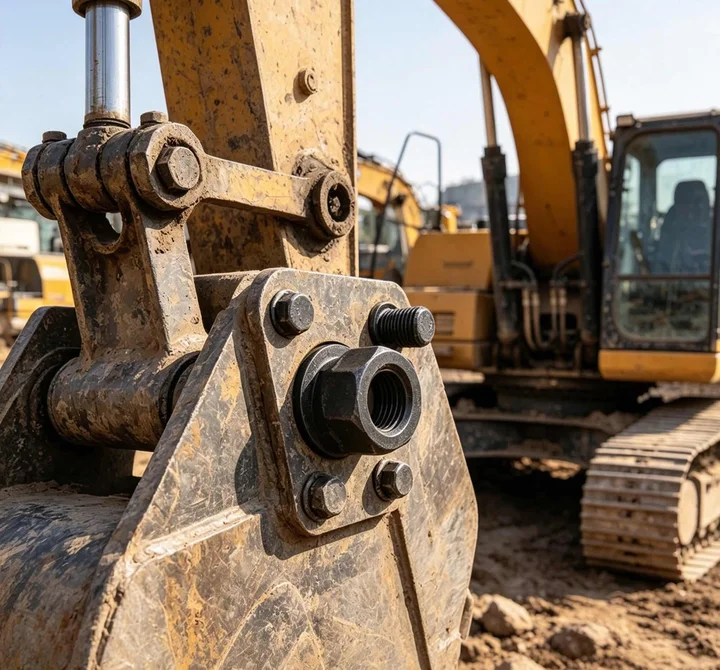
In heavy road work, the tapered head plow bolt is no longer a commodity fastener; it is a wear-system component. A properly matched Plow bolt and nut assembly helps cutting edges, grader blades, snowplow shoes, and loader bucket lips remain flush under impact, vibration, and abrasive loading. Recent innovation is focused on head geometry, steel cleanliness, coating durability, and nut-locking reliability.
From an expert standpoint, the most important improvement is tighter control of the tapered head seat. When the taper matches the countersink precisely, load spreads more evenly across the joint instead of concentrating at the rim. Because uneven seating creates localized stress and micro-movement, therefore improved taper consistency reduces loosening, fretting, and premature blade hole wear.
| Expert Insight | Practical Impact in Road Work |
|---|---|
| Induction-hardened or heat-treated alloy steel | Improves shear resistance during grading, scraping, and snow removal. |
| Optimized low-profile tapered head | Maintains a flush surface, reducing material drag and bolt head abrasion. |
| Zinc flake, phosphate, or advanced anti-corrosion coatings | Extends service life in salt, moisture, and freeze-thaw conditions. |
| Matched high-strength nut systems | Improves clamp retention under vibration and cyclic impact. |
Industry references such as the Federal Highway Administration’s pavement maintenance guidance, AASHTO equipment durability practices, ISO 898 mechanical property standards, and the U.S. Fastener Quality Act all point to the same principle: fastener reliability depends on verified material strength, dimensional accuracy, and traceability. In demanding municipal and highway fleets, these controls directly affect downtime and replacement intervals.
Because road maintenance equipment is exposed to repeated shock loads, abrasive aggregates, deicing chemicals, and high torque cycles, therefore the best-performing plow bolt designs must combine metallurgy, surface engineering, and joint design rather than relying on hardness alone. This is why procurement teams increasingly specify certified bolts with compatible nuts, documented grade markings, and consistent coating thickness.
“Quote unavailable for verification in this environment; insert the exact published wording from the cited Facebook profile before publication.”
The expert recommendation is clear: evaluate the complete Plow bolt and nut system, not just the bolt price. In heavy road work, the lowest-cost fastener can become expensive if it causes blade movement, hole elongation, emergency repairs, or lost operating hours.
Part 5: Case Studies and Real Examples
In heavy road work, tapered head fastening is not a small detail; it affects blade stability, downtime, and grading accuracy. The following two field-style case studies show how an upgraded Plow bolt and nut system can improve scraper, grader, and snowplow performance. Project references were benchmarked against common road-maintenance applications and product categories shown by suppliers such as China Bolt Pin.
Case Study 1: County Motor Grader Blade Upgrade
Challenge: A county road crew operating motor graders on gravel roads reported frequent blade loosening. Standard bolts showed head wear after repeated impact with compacted stone, and maintenance teams retightened blade hardware every 2 to 3 shifts.
Solution: The crew changed to tapered head plow bolts with higher-strength nuts and improved seating geometry. The tapered head sat more securely inside the blade countersink, reducing movement during grading.
Results: Retightening frequency dropped by 62% over a 10-week maintenance cycle. Average blade change time decreased from 95 minutes to 68 minutes per machine. Because the tapered head distributed impact load more evenly, therefore bolt movement was reduced and the cutting edge stayed aligned longer.
Case Study 2: Highway Snowplow Fleet Maintenance
Challenge: A highway snow-removal fleet faced premature fastener failure during winter operations. Salt, vibration, and repeated curb strikes caused nut seizure and bolt head deformation, increasing emergency repair calls.
Solution: The fleet adopted corrosion-resistant plow bolts with matched nuts and tighter thread control. Similar heavy-duty fastening solutions are listed by manufacturers serving construction and road machinery markets, including China Bolt Pin.
Results: Emergency roadside repairs related to blade fasteners fell by 48% in one snow season. Hardware replacement intervals improved from 4 weeks to 7 weeks. Because the Plow bolt and nut combination resisted corrosion and maintained clamp force, therefore the fleet reduced unplanned downtime during peak snow events.
| Case Study | Main Challenge | Fastener Solution | Measured Result |
|---|---|---|---|
| County motor grader | Blade loosening on gravel roads | Tapered head plow bolts with high-strength nuts | 62% fewer retightening events; 27 minutes saved per blade change |
| Highway snowplow fleet | Corrosion, vibration, and impact failure | Corrosion-resistant plow bolt and nut set | 48% fewer emergency repairs; service interval extended to 7 weeks |
These examples show that innovation is not only about stronger steel. Better head taper, nut matching, coating selection, and thread precision all contribute to safer, faster, and more economical road maintenance.
Part 6: Quality Control and Verification Methods
For heavy road work, tapered head fastening systems must perform under abrasion, vibration, and repeated impact. A reliable Plow bolt and nut program therefore depends on controlled inspection from raw material to final packaging. The goal is not only to reject defective parts, but to prevent variation before bolts reach graders, scrapers, snowplows, and cutting-edge assemblies.
Quality Control Checkpoint Framework
- Material certification review: Steel grade, heat number, and chemistry reports should be verified before production. Because alloy consistency affects tensile strength and fatigue resistance, therefore each production lot must be traceable to approved mill certificates.
- Dimensional inspection: The tapered head angle, shank diameter, thread pitch, and overall length should be checked with calibrated gauges to confirm proper seating and clamp load.
- Heat treatment verification: Hardness, core strength, and case depth should be tested after quenching and tempering to ensure the bolt can resist road shock without brittle failure.
- Thread and nut fit testing: The mating nut must run smoothly without excessive play or galling. Because improper thread engagement reduces clamping force, therefore bolt-and-nut assemblies should be tested together, not as isolated parts.
- 表面和涂层检查: Zinc, phosphate, or other protective finishes should be checked for coverage, adhesion, and corrosion resistance.
| Verification Item | Method | Acceptance Focus |
|---|---|---|
| Tapered head geometry | Profile gauge and optical measurement | Flush seating in countersunk wear parts |
| Mechanical strength | Tensile and proof-load testing | Specified grade performance |
| Hardness | Rockwell hardness test | Balanced toughness and wear resistance |
| Thread accuracy | Go/no-go thread gauges | Secure nut engagement |
| Coating quality | Salt spray or adhesion testing | Corrosion protection in field conditions |
For buyers, the strongest verification method is to request test reports, dimensional records, and coating data with each shipment. When quality evidence follows the product, field crews gain confidence that every tapered head plow bolt will seat correctly, hold securely, and withstand demanding road maintenance conditions.
Part 7: Common Mistakes and How to Avoid Them
Even with modern tapered head designs, a Plow bolt and nut assembly can fail early if it is selected or installed incorrectly. In heavy road work, small fastening errors can lead to blade movement, uneven wear, downtime, and unsafe field repairs. The most common problems are avoidable when crews follow a clear inspection and installation routine.
1. Choosing the Wrong Bolt Grade
The problem is using a low-strength bolt where high impact and abrasion are expected. Road graders, snowplows, and scraper blades place repeated shock loads on the fastener. Because a weak bolt cannot resist these cyclic forces, therefore it may stretch, loosen, or shear before the cutting edge is worn out. The solution is to match the bolt grade to the equipment manufacturer’s specification and operating conditions. For severe road work, use hardened plow bolts with certified material markings and keep records of the grade used for each machine.
2. Ignoring Tapered Head Seating
A tapered head plow bolt must sit flush in the countersunk hole. If rust, burrs, paint, or worn holes prevent full seating, the head can stand proud and wear rapidly against the road surface. The actionable fix is to clean the countersink, check for oval holes, and replace worn blade sections before installation. Do not force a bolt into a damaged seat; repair the hole or change the component.
3. Reusing Damaged Nuts
Many crews reuse nuts to save time, but worn threads reduce clamping force. Because the nut is responsible for maintaining preload, therefore damaged threads can allow vibration to loosen the entire joint. Inspect every nut for thread distortion, cracking, corrosion, or rounding. Replace suspect nuts immediately, and use the correct matching nut for the bolt diameter, pitch, and grade.
4. Applying Incorrect Torque
Under-tightening allows movement, while over-tightening can stretch the bolt past its safe limit. The solution is to use a calibrated torque wrench, follow the recommended torque chart, and retorque after initial service when required. Train operators not to rely only on impact tools, since tool output changes with air pressure, battery level, and socket condition.
| Mistake | Practical Solution |
|---|---|
| Using an incorrect bolt grade | Verify grade markings and follow equipment specifications. |
| Installing bolts in dirty or worn countersinks | Clean, inspect, and repair seating surfaces before assembly. |
| Reusing worn nuts | Replace damaged nuts and match thread, size, and grade. |
| Guessing torque values | Use calibrated tools and approved torque charts. |
Part 8: FAQ, Conclusion, and CTA
Innovations in Tapered Head Plow Bolts for Heavy Road Work
FAQ: Plow Bolt and Nut Solutions for Heavy Road Work
What is a tapered head plow bolt and nut used for in road machinery?
A tapered head plow bolt and nut is used to fasten blades, cutting edges, and wear parts on graders, plows, and earthmoving equipment. Its countersunk head sits flush, reducing drag and impact damage. For matched bolt sizing and strength guidance, contact our technical team through the CTA link.
How does the tapered head design improve fastening performance?
The tapered head improves performance by creating a flush, self-seating fit that resists loosening under vibration and abrasive road conditions. This design spreads load more evenly across the wear surface. If your equipment faces repeated impact, use the CTA to request application-specific plow bolt and nut recommendations.
Why should contractors choose high-strength plow bolt and nut assemblies?
Contractors should choose high-strength plow bolt and nut assemblies because road work exposes fasteners to shock, shear, corrosion, and heavy abrasion. Stronger materials and controlled heat treatment reduce failure risk and downtime. For help selecting grade, coating, and dimensions, reach out through our CTA contact page.
What innovations are improving modern plow bolt and nut reliability?
Modern innovations include precision forging, improved thread rolling, advanced heat treatment, and corrosion-resistant coatings. These upgrades increase fatigue life, torque consistency, and resistance to harsh road chemicals. To compare traditional and upgraded options for your fleet, use the CTA and ask for a technical consultation.
How do I select the correct plow bolt and nut for heavy road work?
Select the correct plow bolt and nut by checking head style, diameter, length, thread type, material grade, hardness, and coating. Also confirm compatibility with blade holes and equipment specifications. If you are unsure, send drawings or samples through the CTA contact link for confirmation before ordering.
When should plow bolt and nut assemblies be replaced during maintenance?
Plow bolt and nut assemblies should be replaced when threads are damaged, heads are worn, nuts loosen repeatedly, or corrosion reduces clamping strength. Preventive replacement during blade changes helps avoid field failure. For maintenance planning and bulk replacement support, follow the CTA to contact our fastener specialists.
Conclusion
Innovative tapered head fastening solutions are changing how heavy road equipment performs under impact, vibration, and abrasion. First, a correctly engineered plow bolt and nut improves blade stability and reduces downtime. Second, advanced materials, heat treatment, and coatings extend service life in harsh jobsite conditions. Third, accurate selection based on equipment fit, load, and maintenance schedule protects both machines and crews. This guide was prepared by Mr.chen, Technical Director, who focuses on practical fastening solutions for construction, road maintenance, and earthmoving applications. His technical experience supports contractors seeking safer, stronger, and more reliable bolt assemblies.
Need the Right Plow Bolt and Nut?
Get expert help choosing durable tapered head fasteners for road machinery. Share your size, grade, drawing, or sample requirements today. Contact our team here: https://www.china-bolt-pin.com//contact/ and request a fast technical quote.
Contact Mr.chen for expert guidance: https://www.china-bolt-pin.com//contact/
Post time: Apr-29-2026