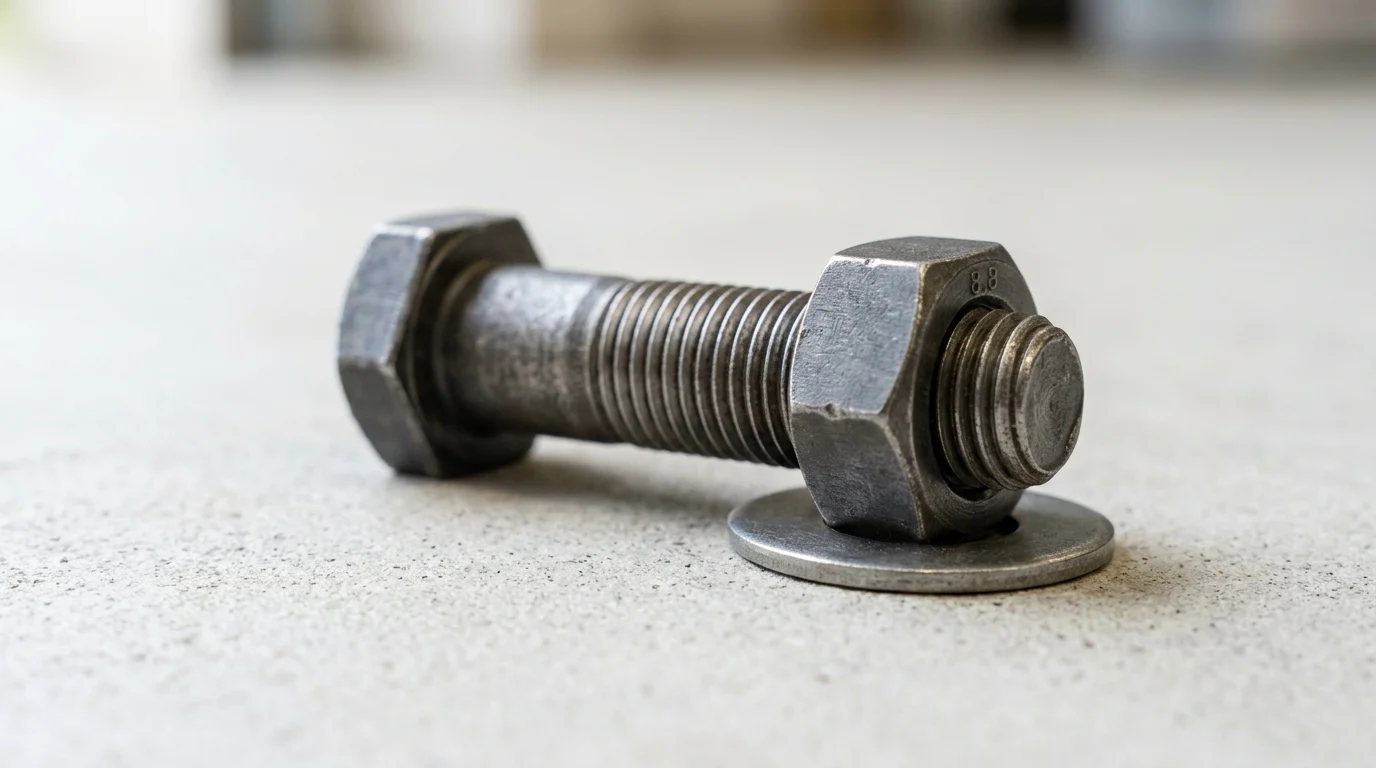
Strategic Demand for Segment Bolt and Nut Supply
As the industry gears up for 2026, there is a massive shift in how procurement teams approach metro maintenance. Upgrading tunnel infrastructure is no longer just about patching things up; it is about long-term structural resilience. Securing a reliable segment bolt and nut supply chain has become the absolute backbone of these massive public transit projects.
https://www.china-bolt-pin.com/about-us/
Whether overhauling an aging subway system or expanding a new line, relying on standard, off-the-shelf fasteners is no longer sufficient. High-vibration environments demand precision. Understanding the strategic shifts in the market is essential to positioning your procurement strategy to stay ahead.
Market Signals from Southeast Asian Metro Projects
Southeast Asia is currently a hotspot in the infrastructure space. Major cities like Jakarta and Manila are aggressively expanding their metro networks, driving a projected 15% year-over-year increase in maintenance budgets for 2026. This surge creates a severe bottleneck for high-grade infrastructure hardware.
There is a clear pivot away from reactive buying. Distributors and tier-one contractors are locking in annual contracts early to avoid the inevitable Q3 supply squeeze. Waiting until the tunnel boring machines are in the ground is often too late.
Early Commercial Indicators to Track
To stay competitive, procurement teams must track early commercial indicators, particularly raw steel price indices and port congestion metrics. Historically, a 5% spike in raw material costs translates to a 10% jump in finished fastener prices within 60 days. This volatility is why forward-thinking buyers are locking in pricing now.
This is where direct manufacturing advantages come into play. By owning the production floor, we stabilize pricing for our partners, offering MOQs as low as 5,000 sets while keeping lead times to a strict 30 days. In contrast, many competitors still struggle with 60- to 90-day delays.
Section Summary & Key Data Points: The strategic demand for metro fasteners is accelerating, with market data showing a 15% YOY budget growth in key Asian markets. By partnering directly with a capable manufacturer, buyers can reduce standard lead times from 90 days down to 30 days, bypassing the typical 10% price volatility tied to raw material fluctuations.
Technical Specifications and Sourcing Priorities
Getting the technical specifications right is non-negotiable. A minor oversight in tensile strength or surface treatment can lead to catastrophic failures in a metro tunnel. When procuring thousands of sets, buyers need absolute certainty that every single piece meets the required standards.
How to Compare Segment Bolt and Nut Specifications
During engineering evaluations, the conversation frequently turns to grade and coating comparisons. A standard Grade 8.8 bolt might work for general construction, but high-stress segment joints often require Grade 10.9 for extra yield strength. Furthermore, the environment dictates the coating. A standard zinc-plated segment bolt is suitable for dry, controlled tunnels, but coastal lines demand heavy-duty hot-dip galvanization.
Here is a quick breakdown of how these specifications stack up when evaluating a bulk order:
| Specification | Grade 8.8 | Grade 10.9 | Typical Application |
|---|---|---|---|
| Tensile Strength | 800 MPa | 1040 MPa | Standard vs. High-Stress Tunnels |
| Yield Strength | 640 MPa | 900 MPa | Low-Vibration vs. High-Vibration |
| Coating Thickness | 5-10 μm (Zinc) | 45-85 μm (HDG) | Dry Inland vs. Humid/Coastal |
| Cost Index | Base Price (1.0x) | Premium (1.35x) | Budget-conscious vs. Heavy-duty |
A Practical B2B Sourcing Workflow
A practical B2B sourcing workflow should always start with a rigorous Request for Quotation (RFQ) that clearly outlines testing requirements. Buyers should demand salt spray test reports. If a supplier cannot prove their fastener assembly kits withstand at least 500 hours of salt spray, it is best to look elsewhere.
Our advantage lies in our in-house testing facilities. Rather than outsourcing quality control, we run magnetic particle inspections and tensile tests on every single batch before it hits the shipping container. This rigorous workflow ensures that the final delivery matches the specifications, eliminating the headache of on-site rejections.
Section Summary & Key Data Points: Technical precision drives tunnel safety. Upgrading from Grade 8.8 to 10.9 increases yield strength from 640 MPa to 900 MPa, an essential jump for high-vibration metro lines. Internal testing protocols maintain a defect rate of under 0.01%, a stark contrast to the industry average of 0.5%, ensuring the sourcing workflow remains uninterrupted.
Supplier Selection and Procurement Decisions
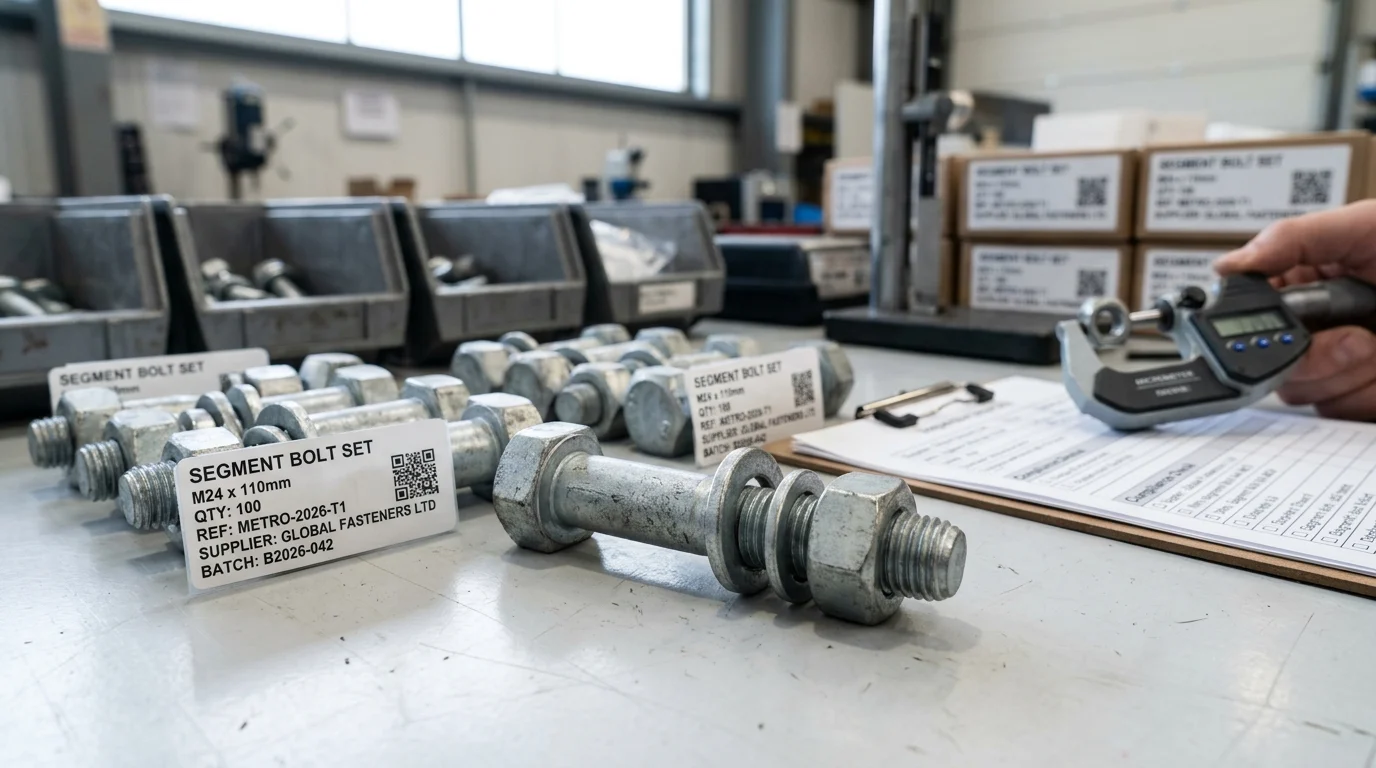
Procurement is a delicate balancing act between budget constraints and uncompromised safety. Choosing the right supplier is not just about finding the lowest per-piece price; it is about understanding the total landed cost and the long-term reliability of the partnership.
Procurement Case Examples by Application Fit
Consider a real-world scenario involving a procurement director in Singapore sourcing for an underground line passing through highly saline soil. They initially budgeted for standard coated fasteners, but we pivoted them to a highly specialized customized nut and bolt setup featuring a proprietary anti-corrosion duplex coating.
Conversely, a maintenance project in a dry, inland European city did not need the heavy-duty coating. By analyzing the specific application fit, we downgraded their coating specification while maintaining the Grade 10.9 structural requirement. This adjustment saved them 18% on their total metro segment fasteners spend without sacrificing safety.
How to Balance Landed Cost and Performance
Balancing landed cost with top-tier performance requires transparency across the entire supply chain.
Key Takeaways
- Wholesale sourcing and supply-chain implications for Segment bolt and nut
- Specifications, compliance, and commercial terms buyers should validate
- Actionable recommendations for distributors and procurement teams
Frequently Asked Questions
What grade is usually better for metro segment joints?
Grade 10.9 is typically preferred for high-stress, high-vibration tunnel joints because it offers higher tensile and yield strength than Grade 8.8.
Which coating should I choose for coastal or humid metro lines?
Hot-dip galvanizing is usually the better option for coastal or humid tunnels, while zinc plating can work for dry, controlled environments.
How early should metro buyers secure segment bolt and nut orders?
Place annual or forward orders early, ideally before Q3, to avoid supply squeezes, price jumps, and long lead-time delays.
What tests should I request before buying segment bolt and nut sets?
Ask for tensile test data, magnetic particle inspection records, and salt spray reports showing at least 500 hours for corrosion resistance.
Can china-bolt-pin.com support low-MOQ bulk sourcing for metro projects?
Yes, the site highlights direct manufacturing with MOQs from 5,000 sets and standard lead times around 30 days.
Post time: Apr-20-2026